West African Research and Innovation Management Association.

 +234 8169162153  First Floor Advancement Office, U.I, Ibadan, Oyo State, Nigeria

17TH WARIMA Annual Workshops and Conference

Compliance = Quality Research

Elizabeth Batchilly | LOC Chairperson 

Welcome Statement for the 17th WARIMA Annual Workshops and Conference

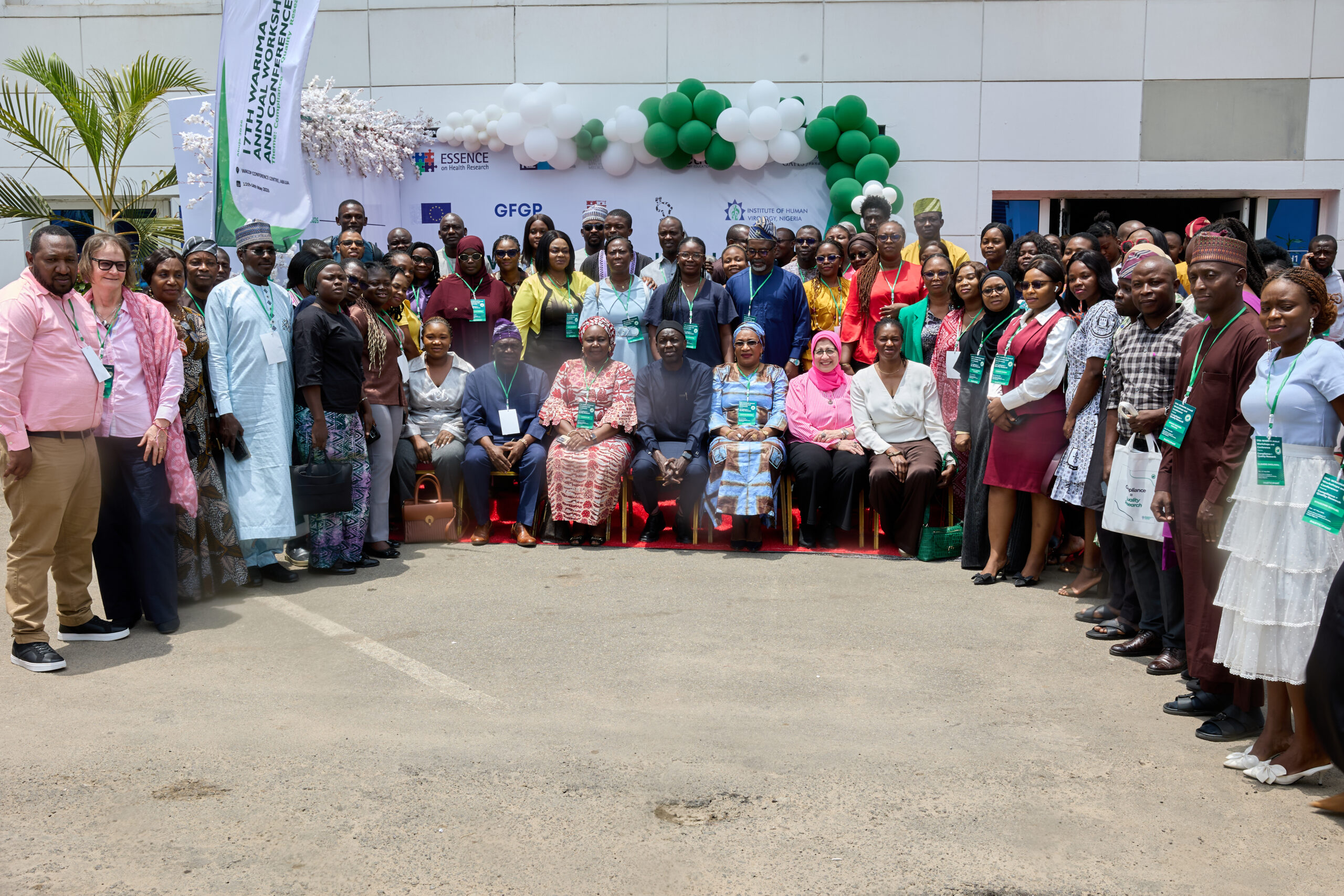
On behalf of the Local Organising Committee, it is my pleasure to welcome you to the 17th WARIMA Annual Conference and Workshops, held in the vibrant city of Abuja. This year’s gathering brings together a diverse community of researchers, innovators, and partners, united by a shared commitment to advancing research and innovation across Africa. We are honoured to co-host this event with the Institute of Human Virology Nigeria (IHVN) and grateful for the steadfast support of TETFund and all our sponsors, whose contributions have been instrumental in WARIMA’s journey.

Our theme, Compliance = Quality

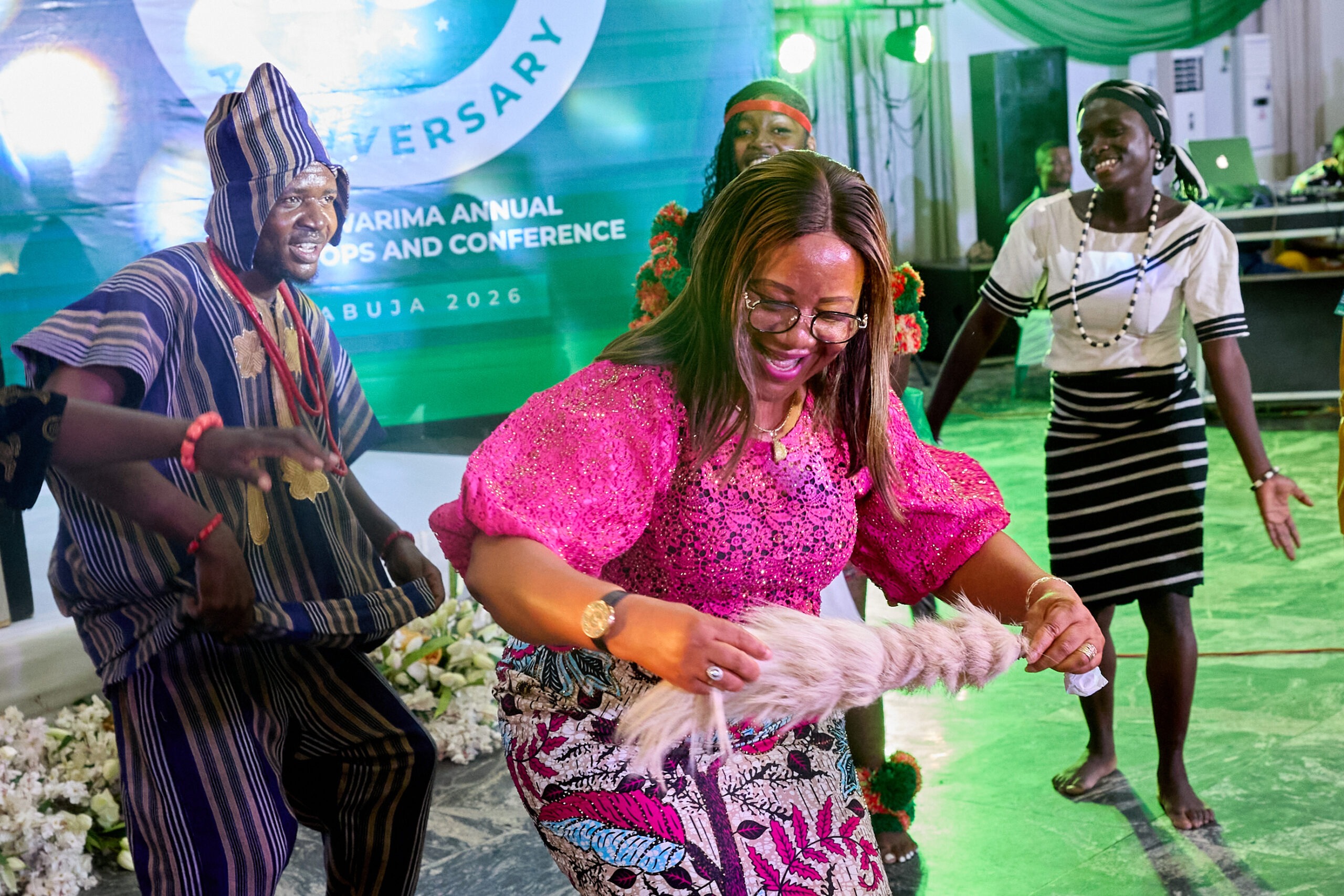
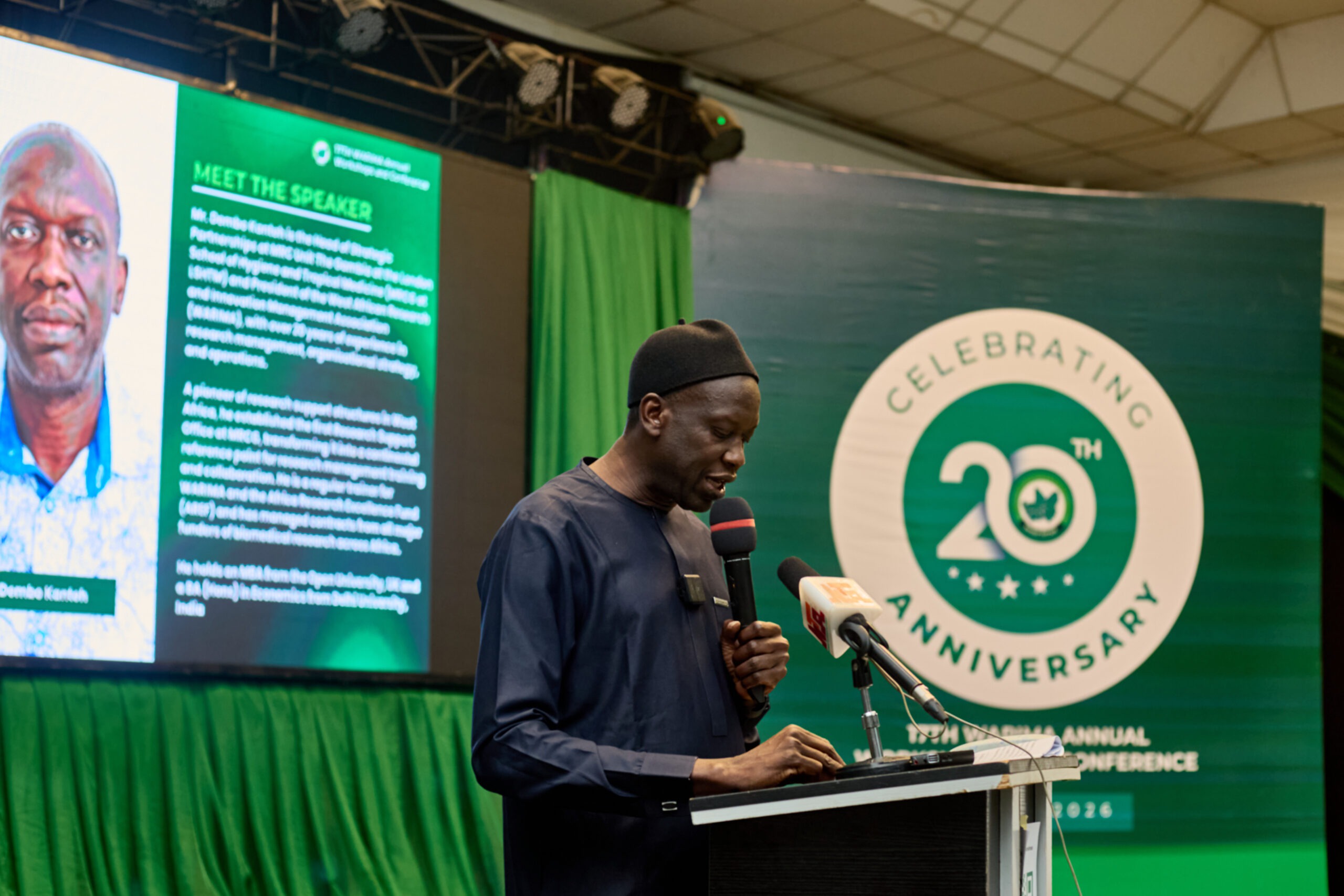
Research, highlights the vital role of ethical and regulatory standards in achieving excellence and global relevance in research. As we celebrate WARIMA’s 20th anniversary, we recognise the many individuals and organisations whose dedication has shaped our progress and impact.

We extend heartfelt thanks to our distinguished speakers and all participants, especially those who have travelled from afar. Your presence enriches our discussions and strengthens the collaborative spirit that defines our community.

As you enjoy the beauty and culture of Abuja, we invite you to relearn, share, and network-building partnerships that will drive research of global significance.Together, let us continue to foster innovation, capacity, and economic growth for a brighter. Welcome to the Conference.

Theme

Compliance = Quality Research

Sub-themes

Workshop Sessions

Workshop 1

Research Operations and Project Management

Reasons for Attending: Many research projects primarily operate within complex administrative, financial and regulatory environments. For effective research administration, there is an essential requirement of competencies in project planning, coordination, budgeting, compliance and risk management. In response, this workshop creates foundational knowledge on managing full research projects.

Who Should Attend: This workshop is most suited for newly employed and early-career research administrators, including research officers, grant administrators, project assistants, and junior academics needed in project coordination.

Benefits of Attending: Participants acquire practical skills for research project management, financial reporting, compliance, and stakeholder coordination. The workshop maximizes efficiency, accountability and project success.

Workshop 2

Impact Planning, Monitoring & Evaluation (M&E) Systems

Reasons for Attending: Many research funders require evidence of impact and accountability on respective projects. This project thus, equips participants with skills to design impacting projects and how to effectively implement monitoring and evaluation systems.

Who Should Attend:  This workshop is most suitable for mid-career research administrators, programme managers, monitoring and evaluation officers,and academics responsible for outcome reporting.

Benefits of Attending: Candidates attain skills in results-oriented management, impact assessment, and data-driven decision-making which strengthens reporting quality and future funding opportunities.

Workshop 3

Strategic Leadership and Career Development

Reasons for Attending: The development in  research demands strong leadership, strategic planning, and policy alignment. This workshop focuses in developing senior-level leadership and long-term research strategy.

Who Should Attend: The workshop is suitable for  senior research administrators, directors of research, heads of research units, principal investigators  and institutional leaders.

Benefits of Attending: Participants enhance leadership capacity, strategic thinking, and career development, contributing to institutional sustainability and effective research governance.

Workshop 4

Workshop 4: Horizon Europe Framework Programme

Reasons for Attending: Horizon Europe is one of the most competitive international research funding programs. This workshop provides essential knowledge on its structure, funding instruments, and proposal requirements.
Who Should Attend: This workshop is most suitable for mid-career and senior research administrators, grants managers, principal investigators and, research leaders in international collaborations.
Benefits of Attending: Candidates shall acquire knowledge in proposal development, consortium building, and compliance requirements, enhancing institutional competitiveness for international research funding.

Workshop 5

Good Financial Grant Practices

Reasons for Attending: Effective financial management is critical to the success and sustainability of research grants. Many research institutions face challenges with financial compliance, reporting inaccuracies, and audit findings that jeopardize funding. This workshop provides essential knowledge and practical tools for managing grant finances in line with funder requirements and institutional policies.

Who Should Attend: This workshop is most suitable for finance officers, grant accountants, research administrators, project managers, and principal investigators responsible for the financial oversight and reporting of research grants.

Benefits of Attending:  Participants gain practical skills in budget planning and monitoring, financial reporting, audit preparation, and expenditure compliance. The workshop strengthens institutional financial integrity, reduces the risk of financial irregularities, and improves overall grant performance and funder confidence.

Date

11h – 14th May, 2026

Location

West Africa College of Physicians Conference Centre, Abuja, Nigeria.

Programme

Meet Our Speakers

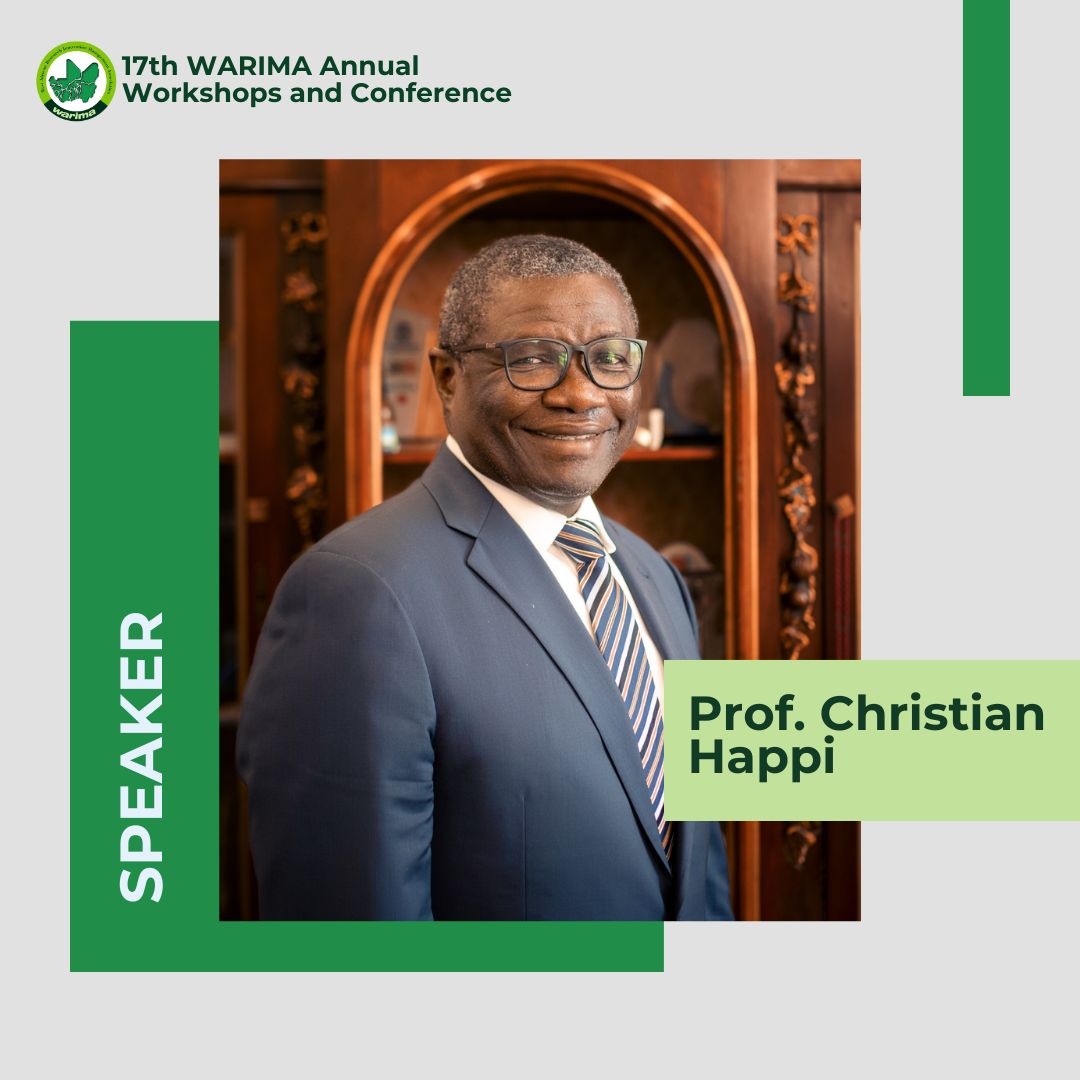
About Prof. Christian Happi

Professor Christian Happi is a Distinguished Professor of Molecular Biology and Genomics and the Director of the Institute of Genomics and Global Health (IGH), Redeemer’s University, Ede, Nigeria. He earned his PhD from the University of Ibadan in 2000 and completed postdoctoral training at Harvard University. Prof. Happi has served as a Research Scientist at the Harvard School of Public Health and is currently an Adjunct Professor at the Harvard T.H. Chan School of Public Health, as well as a Visiting Professor at Harvard University.

His research focuses on the genomics of infectious diseases—including Malaria, Lassa fever, Ebola, COVID-19, HIV and human genomics. Prof. Happi founded IGH, supporting genomic surveillance in 42 African countries and training over 3,000 scientists. He is a 2025 TIME100 and 2025 TIME100 in Health.

He is a Fellow of several prestigious academies worldwide, including Nigeria Academy of Science, Africa Academy of Science and the US National Academy of Medicine.

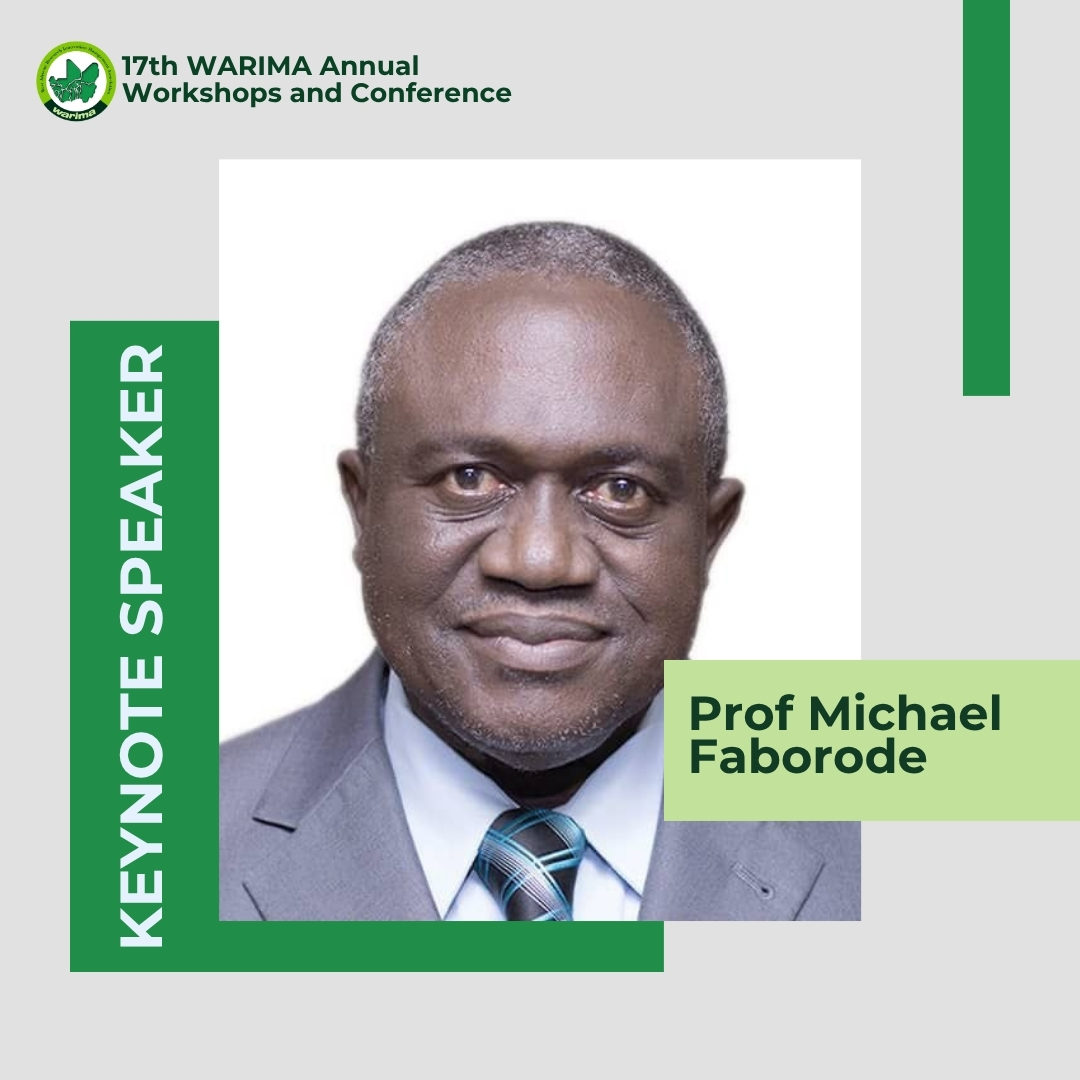
About Prof. Micheal Faborode

Prof. Faborode was educated at Victory College, Ikare (1968-1972), before proceeding to the then University of Ife, now Obafemi Awolowo University where he obtained his BSc and MSc degrees in Agricultural Engineering. He attended the University of Newcastle upon Tyne, United Kingdom for his PhD, which he obtained in 1986. He is a Professor of Agricultural and Environmental Engineering.

As foundation for his deep administrative experience in the academia, he served in various capacities, including as Head of Department, Dean of the Faculty of Technology and Chairman of the Committee of Deans before becoming the Vice Chancellor of his alma mater, Obafemi Awolowo University from 2006-2011. He then served as the Secretary-General, Committee of Vice-Chancellors of Nigerian Universities (CVC) and Committee of Pro-Chancellors (CPC) from 2012 to 2017.

Prof. Faborode is a registered engineer with the Council for the Regulation of Engineering in Nigeria (COREN) of which he became Vice President in 2005-2006. He holds the distinguished Fellowship of many global professional bodies including the prestigious Nigerian Academy of Engineering, the International Institute of Agricultural and Biological Engineering of the International Commission, and the African Engineering Education Association, the Nigerian Society of Engineers and the Nigerian Society of Agricultural Engineers. He was President of the West African Society for Agricultural Engineering and currently serves as the President of the Pan African Society for Agricultural Engineering (PASAE), with headquarters in Silverton, Pretoria, South Africa. He is a serial grant award winner, and leads the Nigerian EU Horizon Europe NCP Network as National Coordinator.

He is happily married to Dr Helen Folake Faborode, an Agricultural Extension and Rural Development Expert, and they are blessed with four children.
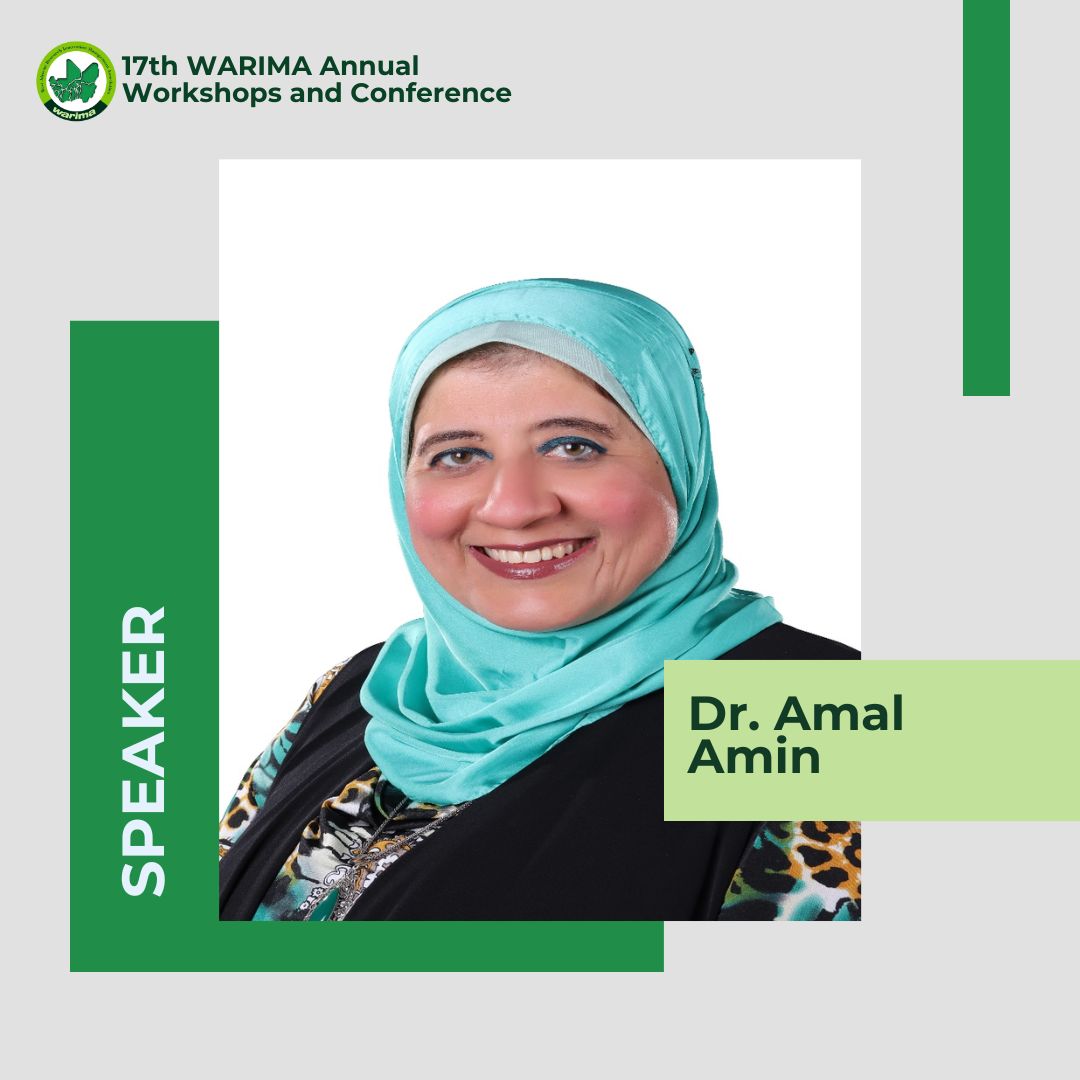
About Dr. Amal Amin

Dr. Amal Amin is a professor for nanotechnology/polymer technology at national research Center-Egypt. She studied in, worked at and travelled to +30 countries including Spain, Germany (PhD-DAAD), USA, France having numerous activities as cofounder and executive committee member of the global and Egyptian young academies (GYA, EYAS). She was cofounding president and coordinator of the Egyptian society and Arab network for nanotechnology & TWAS young affiliate, science diplomacy alumni, EC member of (science in Exile) global initiative to support refugee scientists and Ex-member of ORCID board of directors. She is a fellow of (TWAS), (ISC), founding chair of women in science without borders’ (WISWB) initiative & World forum for WIS series, science for humanity foundation-Egypt, world forum for science innovation and entrepreneurship and science diplomacy for the future, cofounding chair for science for humanity-global society and (NARIMA).

She received outstanding women in tech award of Africa, national award of distinguished WIS and was classified by the global gender scan among who (make the difference). She got 2024 peace science and technology leadership award for exceptional women for peace global award. Dr. Amal achievements were featured in NASAC books in 2017, 2020, 2026, Scientific African, Nature, Royal society for chemistry.

About Dr. Gary Aslanyan

As Manager of Partnerships and Global Engagement at TDR, Dr Garry Aslanyan steers the programme’s most strategic alliances and global health collaborations, mobilizing resources, building high‑trust partnerships, and leading engagement with TDR’s governing bodies. Working closely with the Director, he plays a central role in sustaining TDR’s unique co‑sponsorship by UNICEF, the World Bank, UNDP and WHO, and in translating research evidence into the global health programming of these institutions. He also drives collaboration with all six WHO regional offices, including oversight of the widely recognized TDR Impact Grants, which catalyze locally led solutions to priority public health challenges. Dr Aslanyan heads the Secretariat of ESSENCE on Health Research, supporting coordination among major funding agencies and strengthening investments in research capacity. He has contributed to global public health stewardship through service on the WHO Guidelines Review Committee and as an external reviewer of global health research programmes. He is the founder, Executive Producer and Host of TDR’s Global Health Matters podcast. A Canadian with over 25 years of experience, he has held senior federal roles in Canada, served as President of the Ontario Public Health Association, and provided editorial leadership, including as Editor‑in‑Chief of newSpecial magazine.

About Dr Sechaba Bareetseng

Dr Sechaba Bareetseng is a global innovation strategist with over 18 years of experience in research, technology transfer, and international cooperation. He serves as Director for Africa Development at World Association of Industrial Technology Research Organisations (WAITRO) and Senior Business Manager at the Jiangsu Industrial Technology Research Institute operating under the auspices of the National Innovation Centre par Excellence in China.

He has represented Africa’s innovation agenda at leading platforms including the World Science Forum, GSTIC Conferences and the WAITRO Summit, influencing global dialogues on bioinnovation, technology transfer and sustainable development. His vision is to strengthen Africa’s leadership in global innovation ecosystems through sustainable partnerships that drive science, technology, and socioeconomic progress.

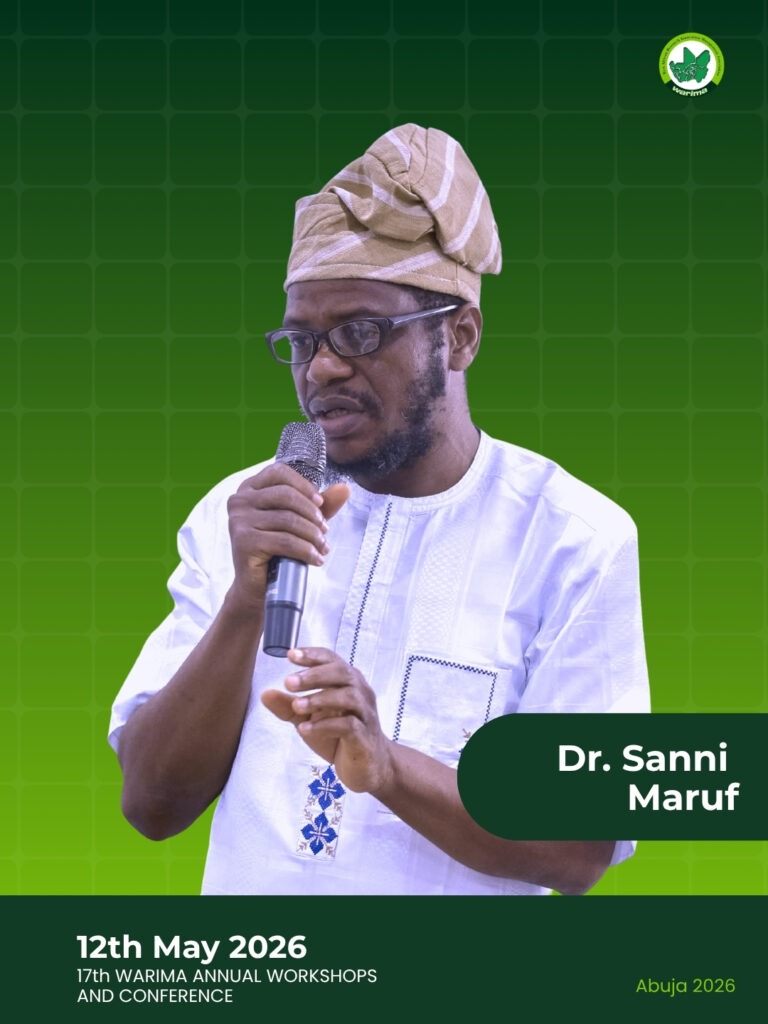
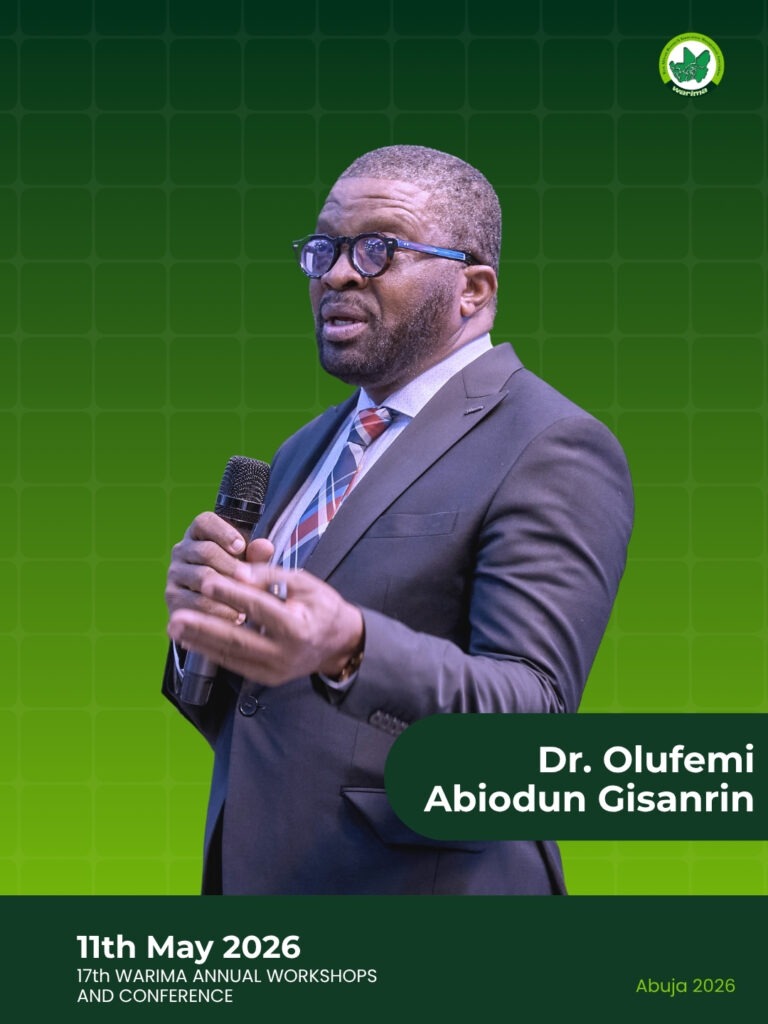
About Dr. Olufemi Abiodun Gisarin

Here’s the shorter bio:


Dr. Olufemi Abiodun Gisanrin is a Senior Monitoring, Evaluation, and Learning (MEL) expert and impact facilitation specialist with over 25 years of progressive experience designing and delivering high-quality evaluations for large-scale, donor-funded development programmes across Nigeria and West Africa.

He has served as Chief of Party for multi-sectoral development programmes, providing strategic oversight of evaluation design, performance monitoring systems, and adaptive management processes. He brings recognised expertise in leading complex evaluations and facilitating multi-stakeholder learning engagements for international partners including USAID and WFP.

Dr. Gisanrin’s technical expertise spans food security and nutrition, agricultural market systems, resilience and climate adaptation, social protection, education, and gender equality. He is highly skilled in mixed-methods research and participatory approaches, with a strong track record of translating evidence into strategic decision-making and policy dialogue.

He brings extensive experience aligning evaluations with OECD/DAC criteria, applying USAID MEL principles, and engaging diverse stakeholders — including government agencies, donors, implementing partners, and communities — to deliver inclusive, utilization-focused learning outcomes that strengthen programme performance and accountability.

Accommodation & Nearby Hotels

Casa de Lucy Hotel

585, David Jemibewon Crescent, Apo, off Mobolaji Johnson Road, Gudu, Abuja Federal Capital Territory (1.5km from conference venue)

All rooms are available to Conference and Workshops attendees at a discounted price of ₦60,000.00

Please contact Mrs. Maureen Ada (+234 803 896 8254) to book your room. Kindly indicate that you are attending the WARIMA Conference when making your reservation.

Silver Green Hotel

No. 1 Olaniran Olayinka St, Gudu, Abuja 900110, Federal Capital Territory (1.2km from conference venue)

All rooms are available to Conference and Workshops attendees at a discounted price of ₦60,000.00

Please contact Mrs Sandra (+234 817 941 5259) to book your room. Kindly indicate that you are attending the WARIMA Conference when making your reservation.

West Africa College of Physicians (WACOP) Hotel

Gaduwa District, Plot 160 Rachel T. Owolabi Cl, Gaduwa, Abuja, FCT (Conference venue)

10 rooms are available to Conference and Workshops attendees at a discounted price of ₦60,000.00

Please contact Mr. Gideon (+234 803 711 0599) to book your room. Kindly indicate that you are attending the WARIMA Conference when making your reservation.

01

Register

Register via the form below

02

Get Confirmation

We will send you a mail confirming your registration status

03

Show Up

Show up to Abuja with your slip/reference number

Online Payment

Already registered? Simply click any of the title below and proceed with payment.  

Themes for the Pre-Conference Workshops

Financial Management - Beginner to Intermediate Level

Finance management remains a core component of successful research implementation. Research management professionals are expected to be able to effectively prepare budgets for research projects and also be able to manage these budgets in compliance with funder and institutional financial requirements. This workshop targets new and mid-level professionals to enhance their knowledge and skills in budgeting, financial management and reporting. It will introduce participants to tools, principles and systems that can be used in budgeting.

Research Leadership - Advanced Level

Current trends in research leadership involve a shift towards fostering a culture of innovation, promoting diversity and inclusion, and leveraging technology for strategic planning and communication. Future trends may include a stronger emphasis on interdisciplinary collaboration, an increased focus on sustainability and social impact, and the integration of data analytics and AI for more informed decision-making in research strategy.